⭒ FILM PRODUCTION ⭒
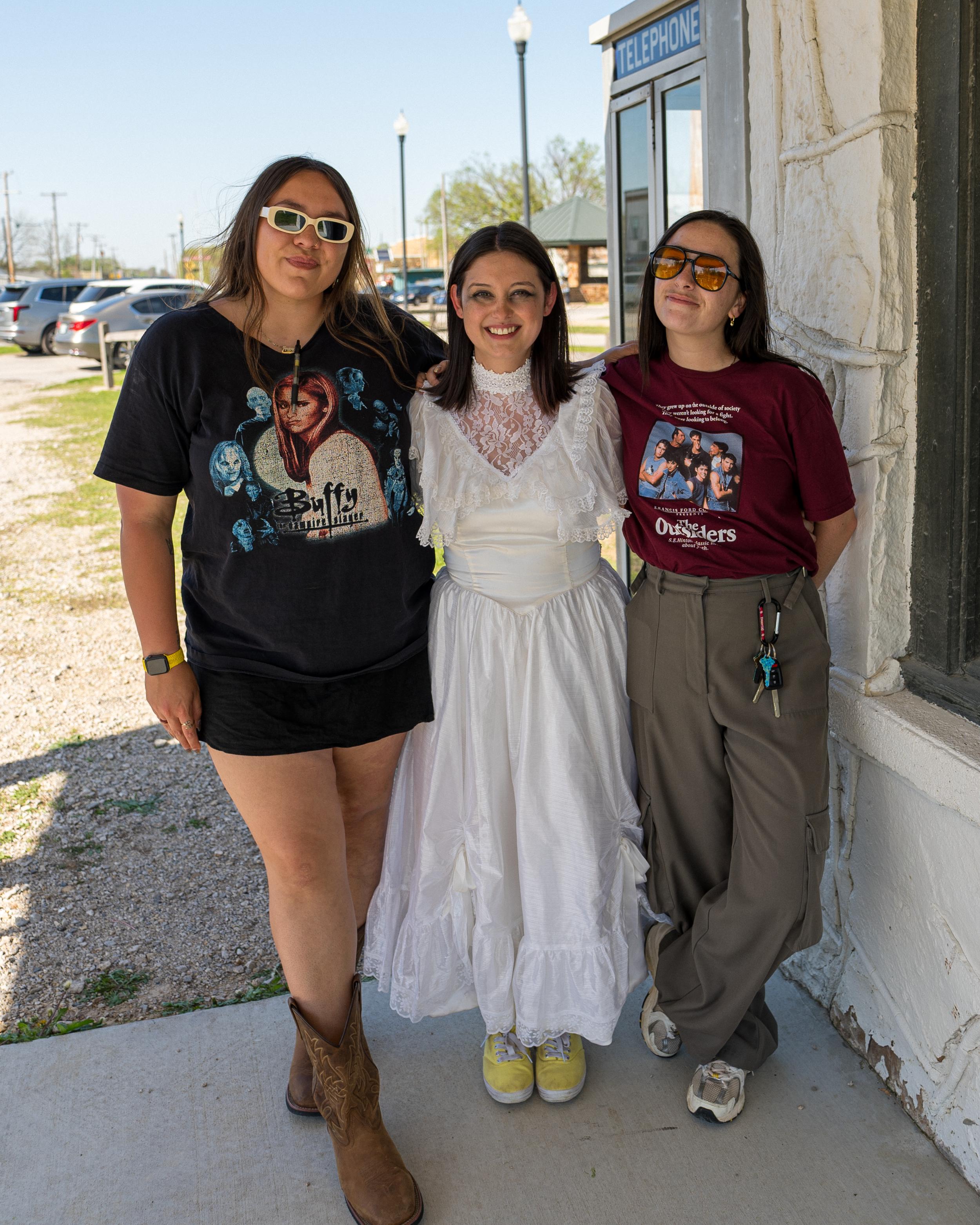
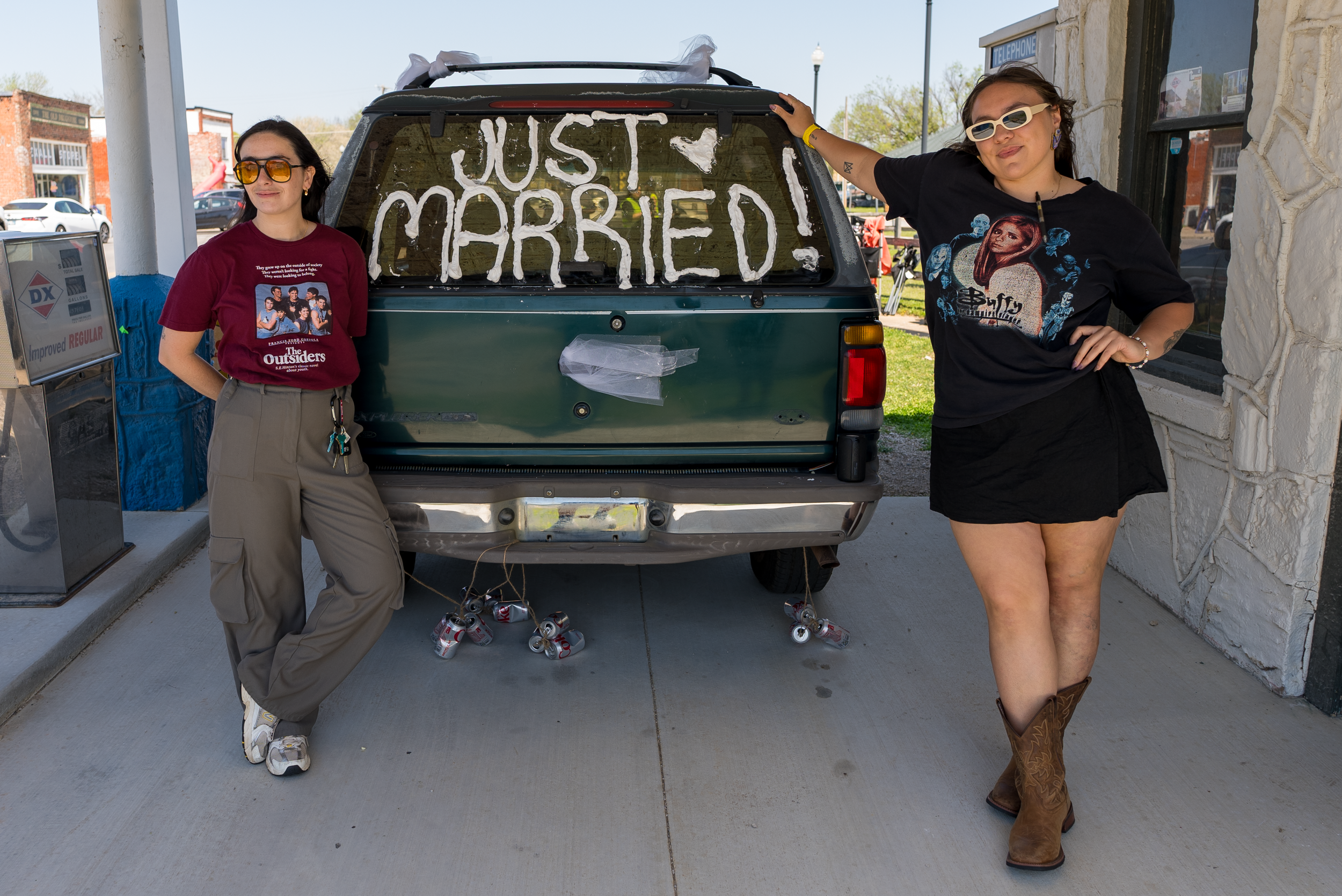
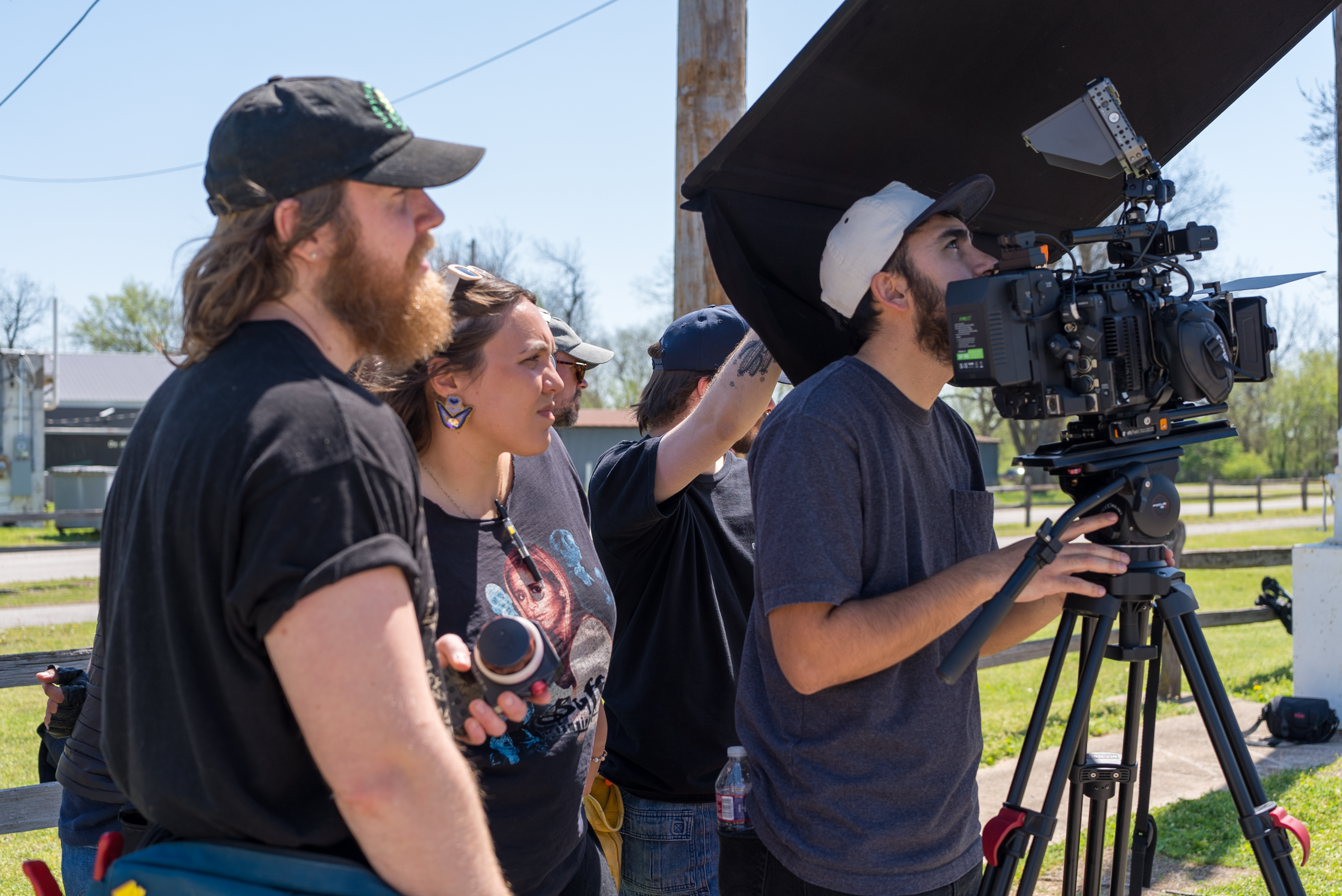
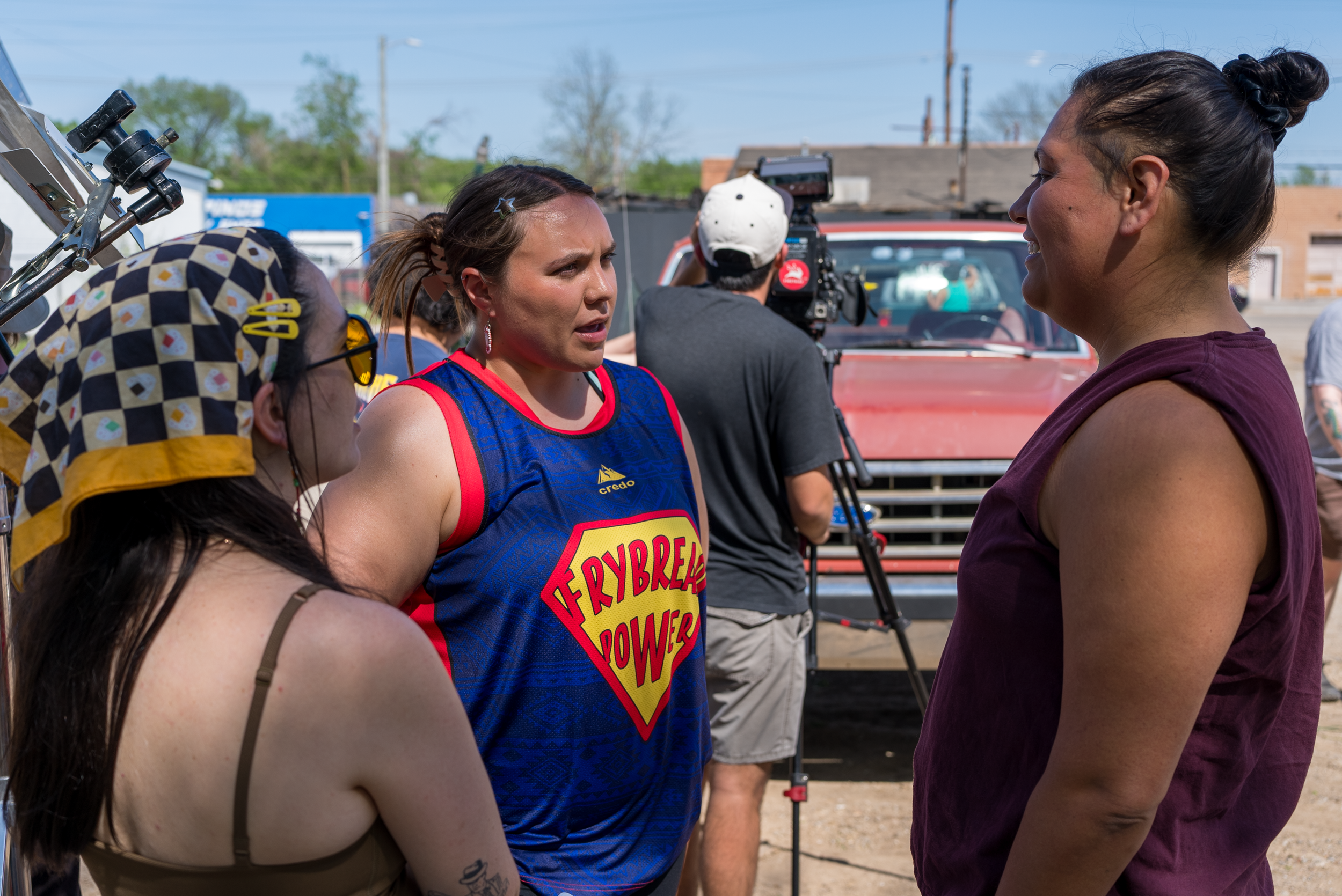
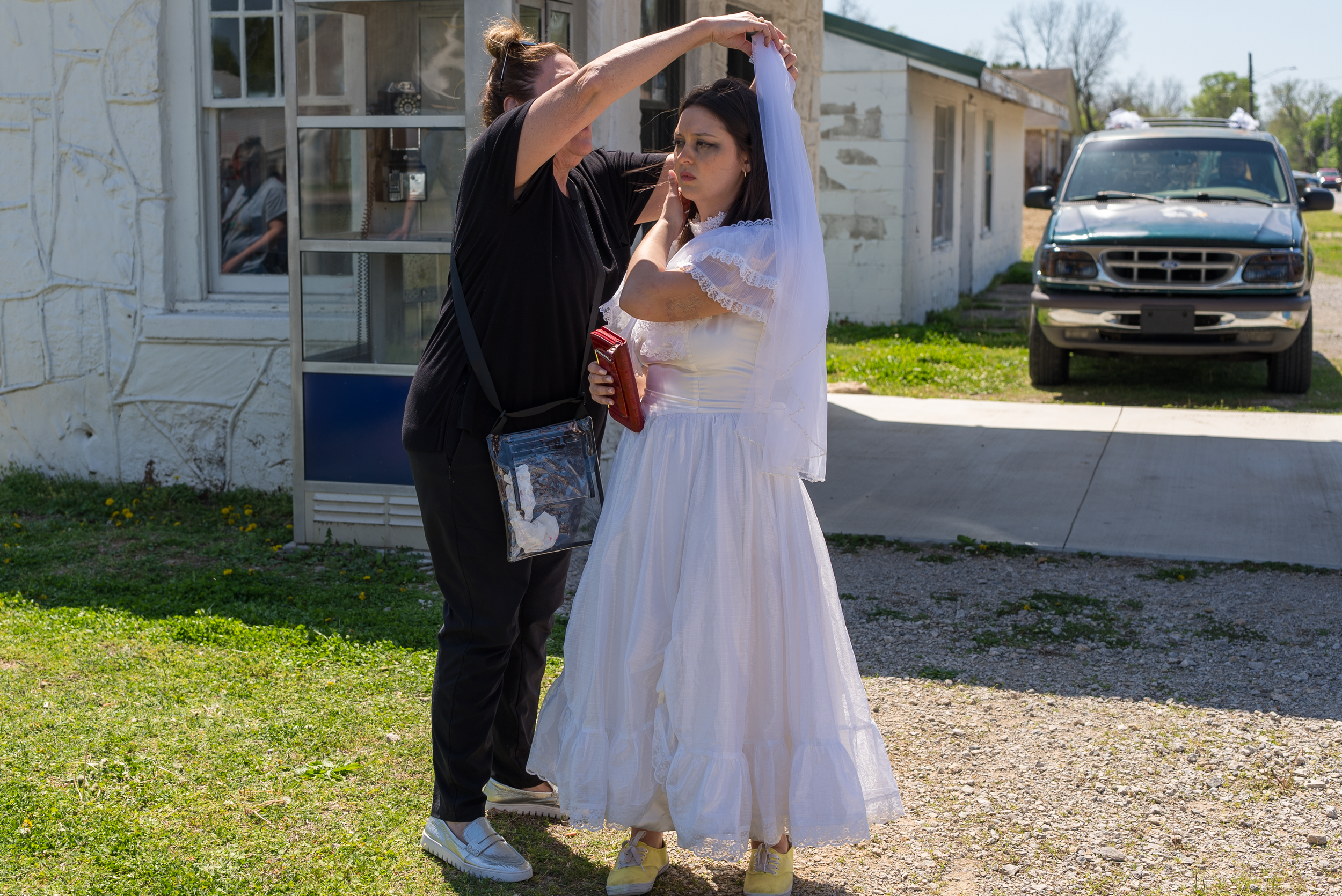
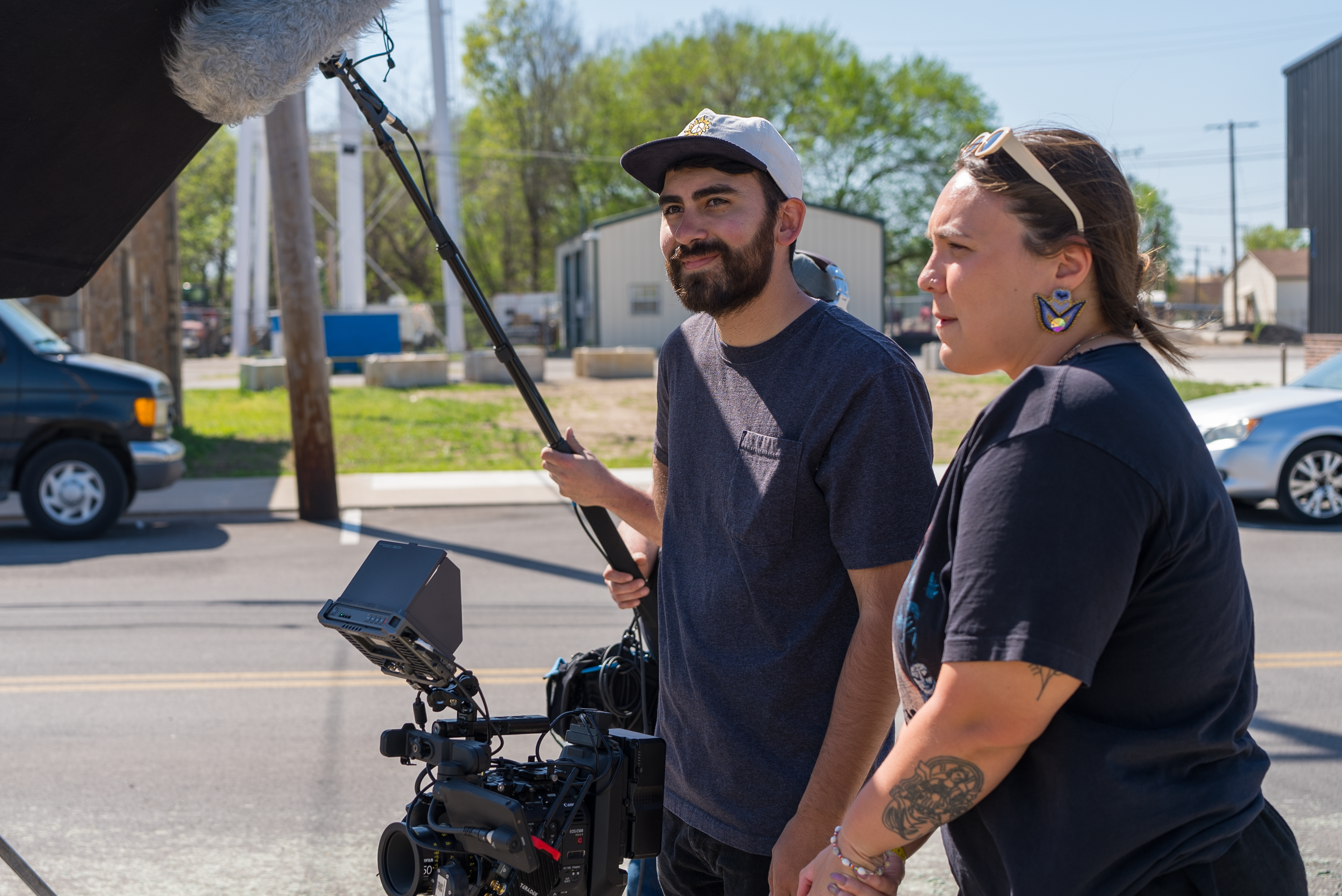
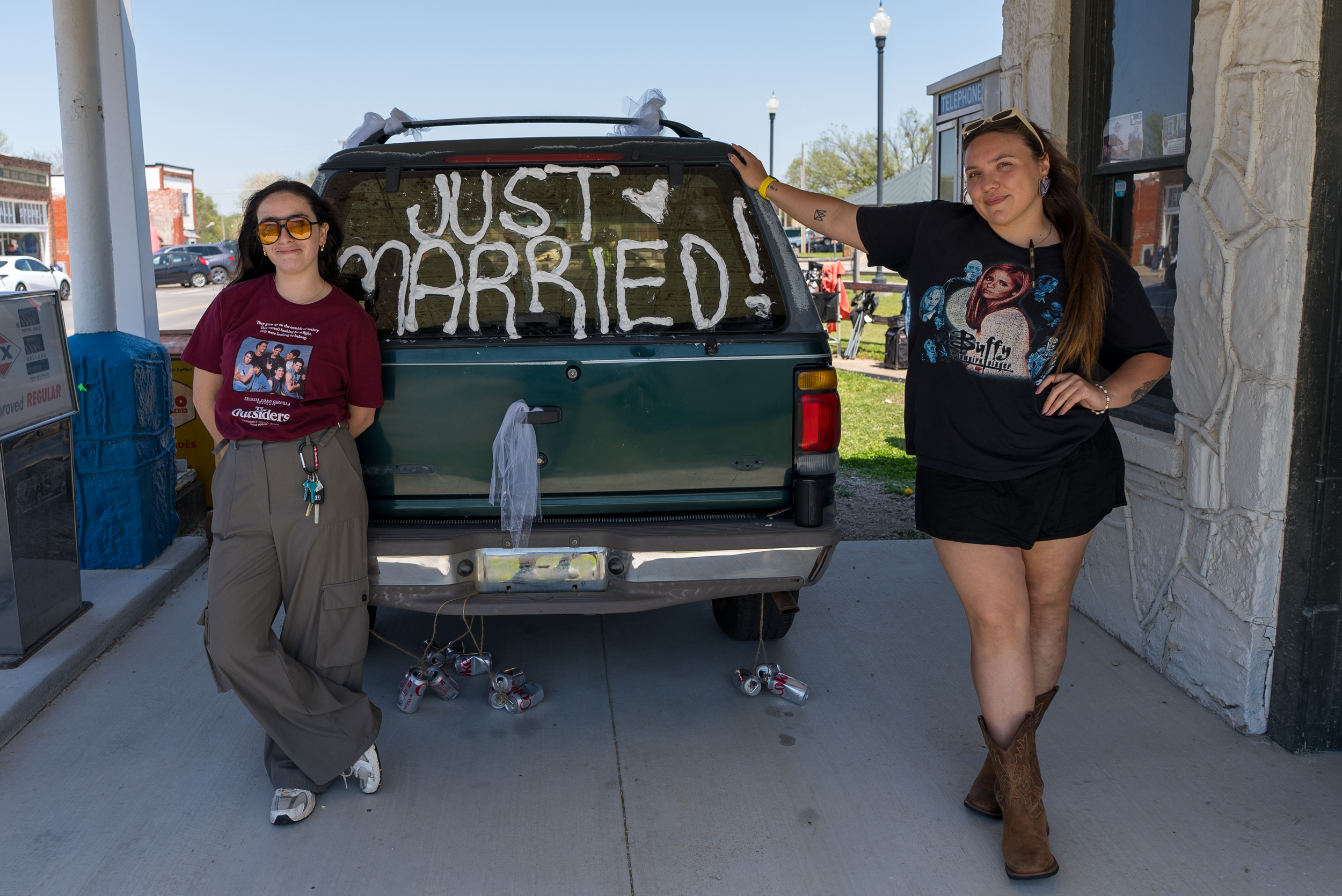
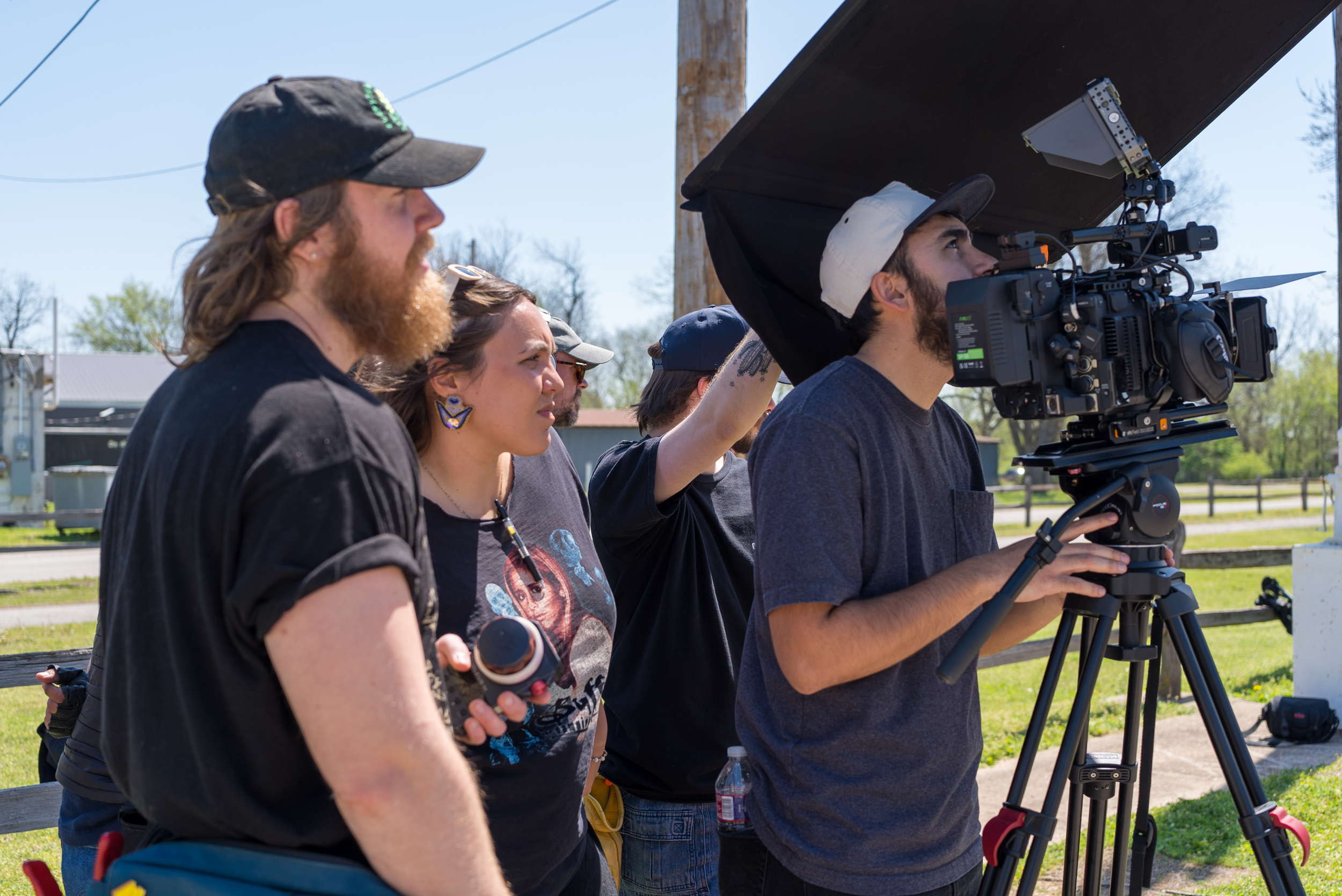
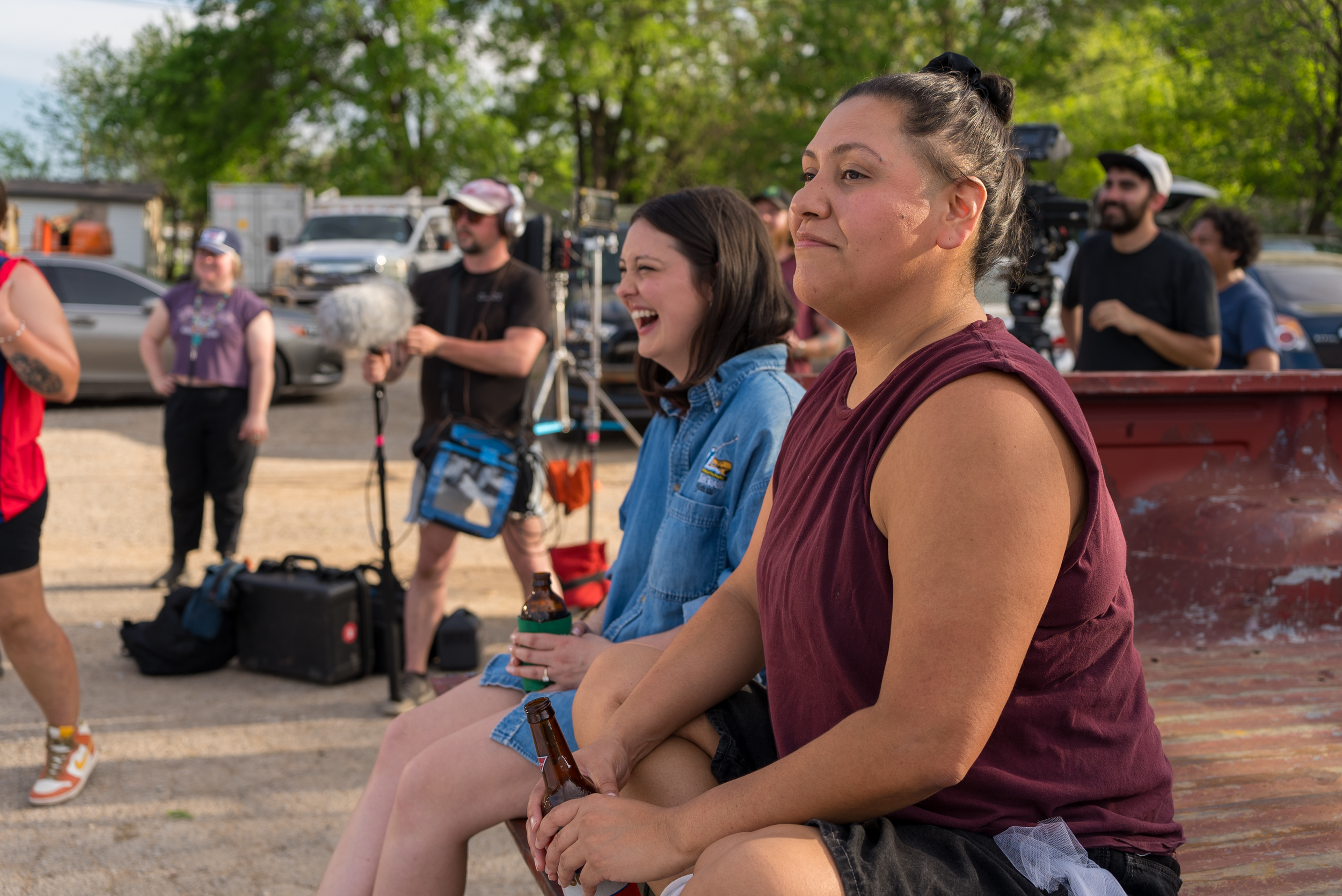
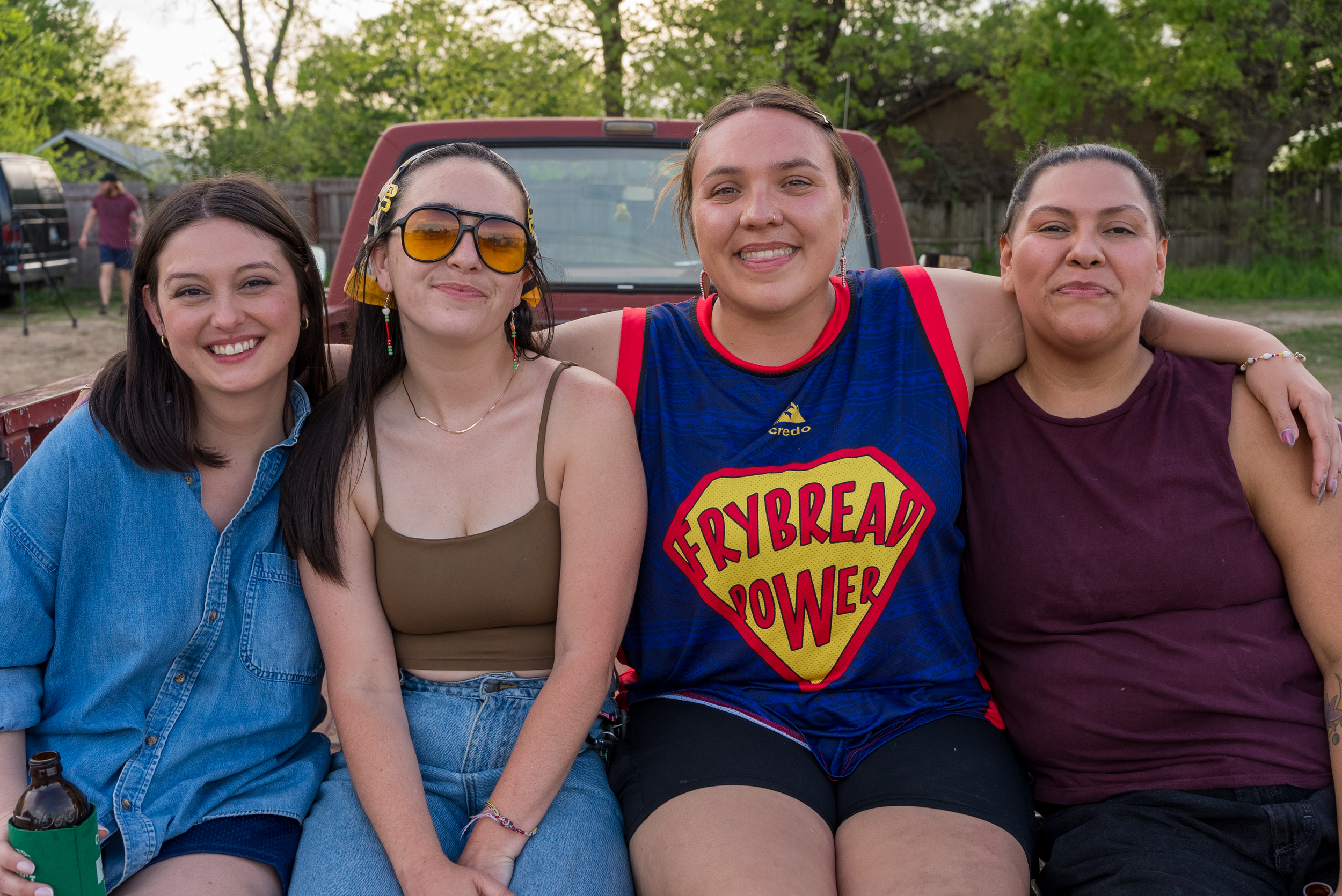
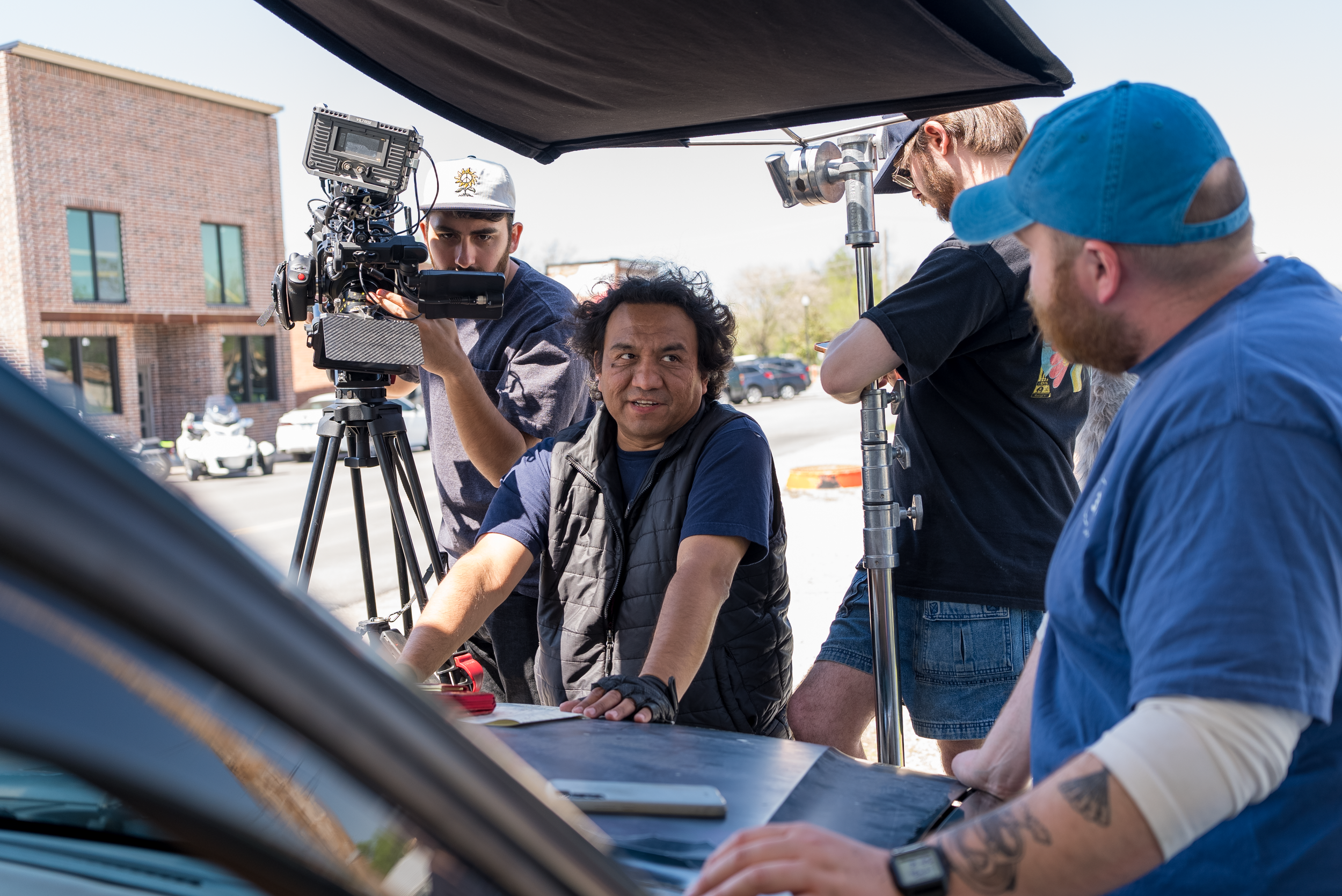
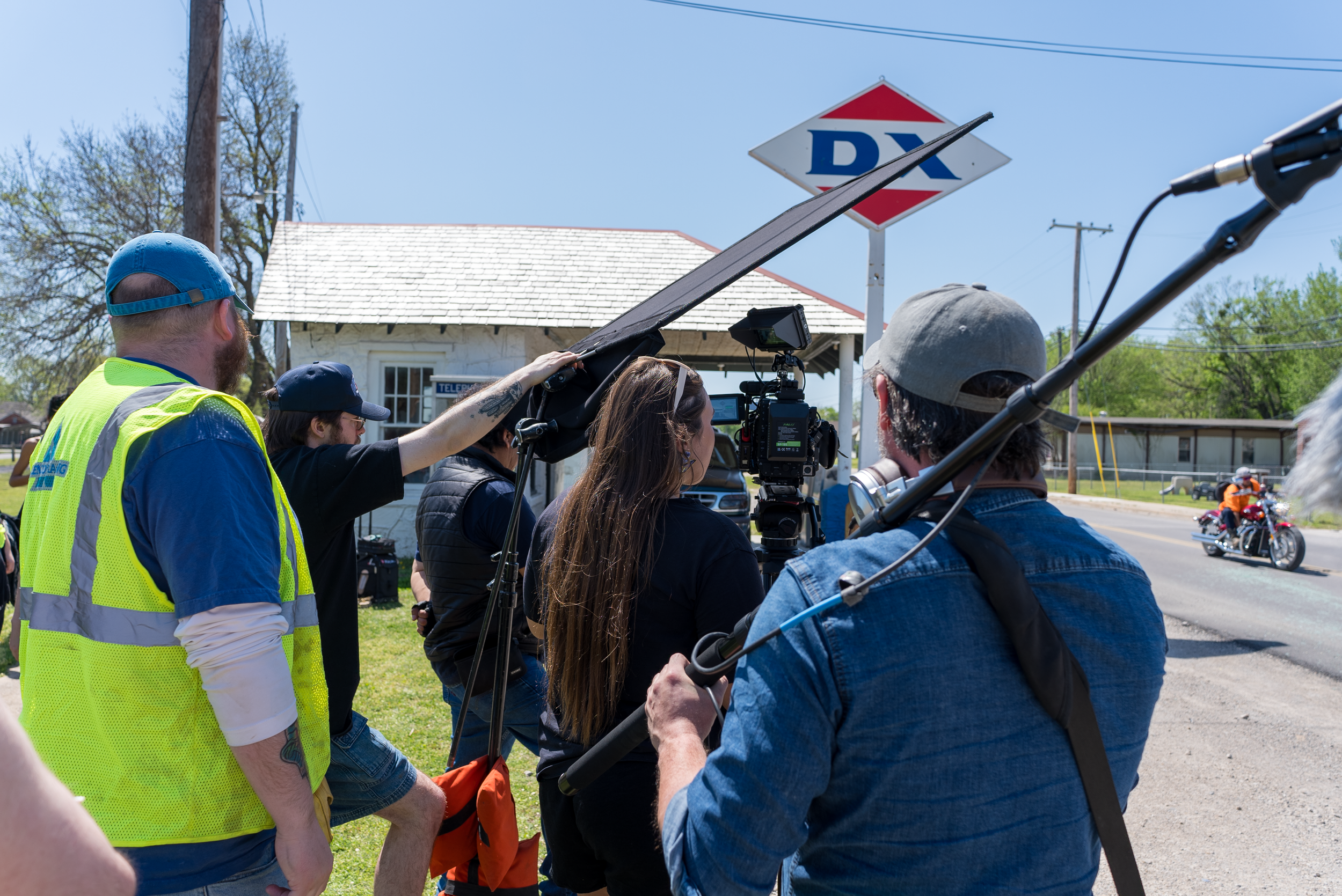
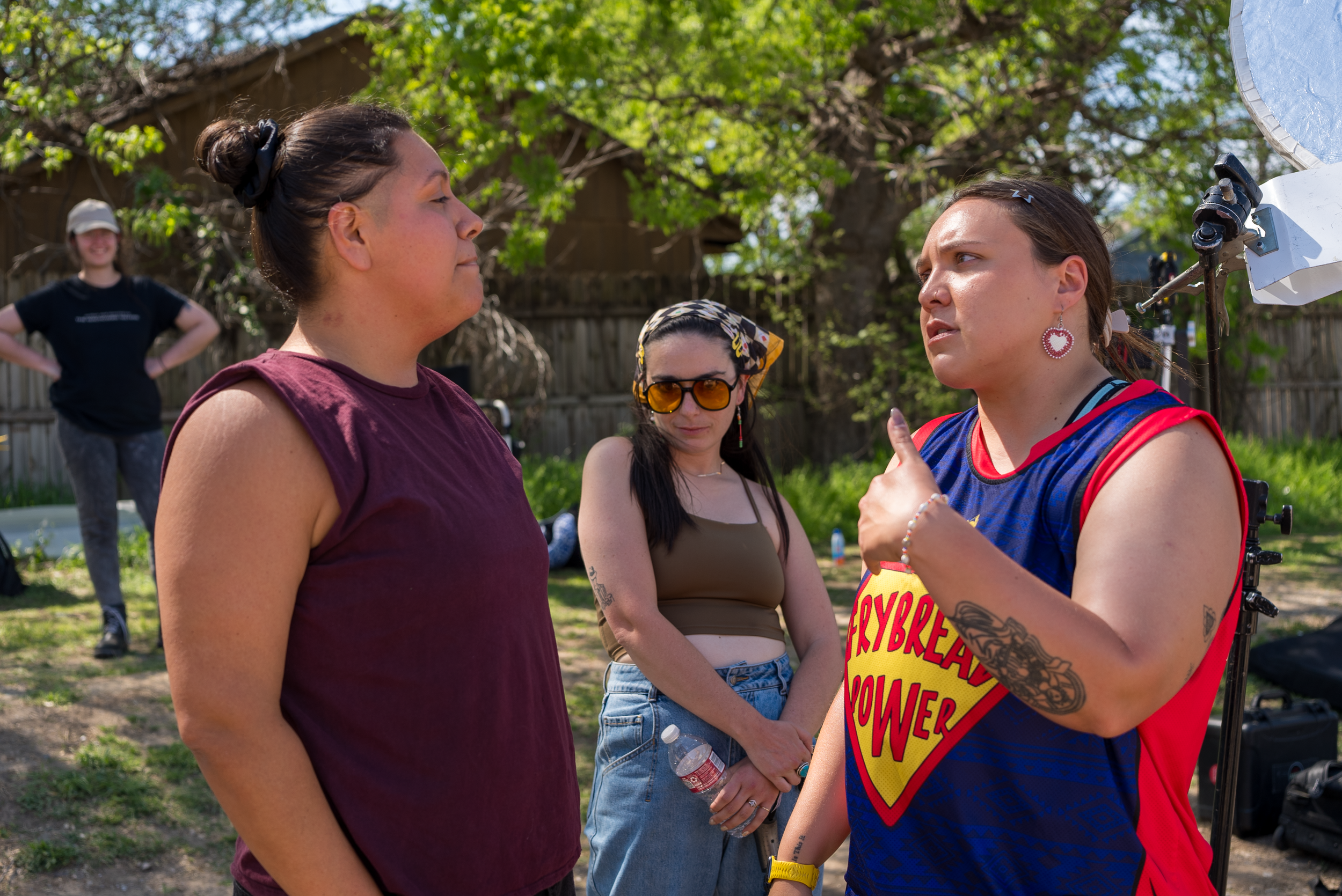
Julie Takes a WALK
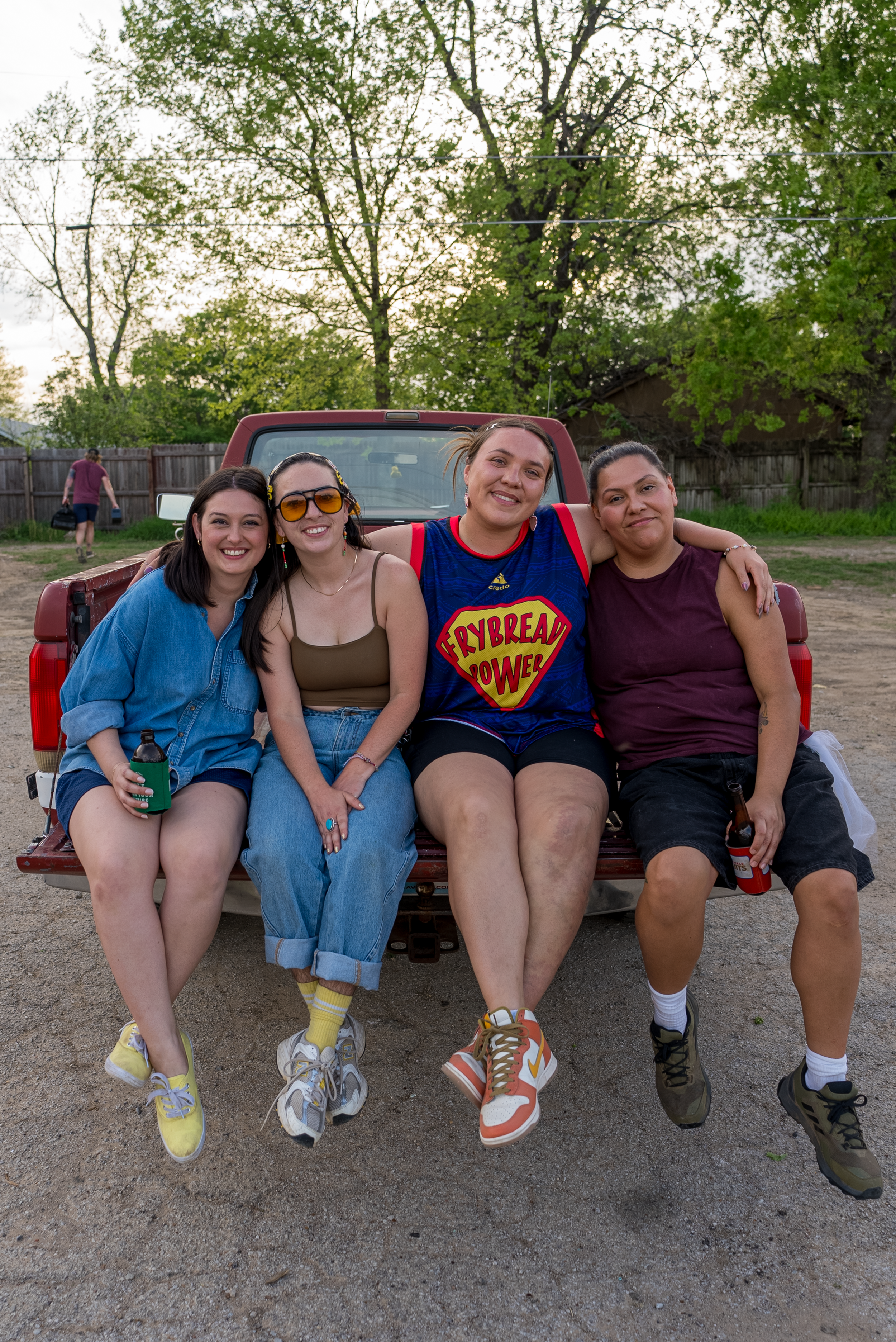
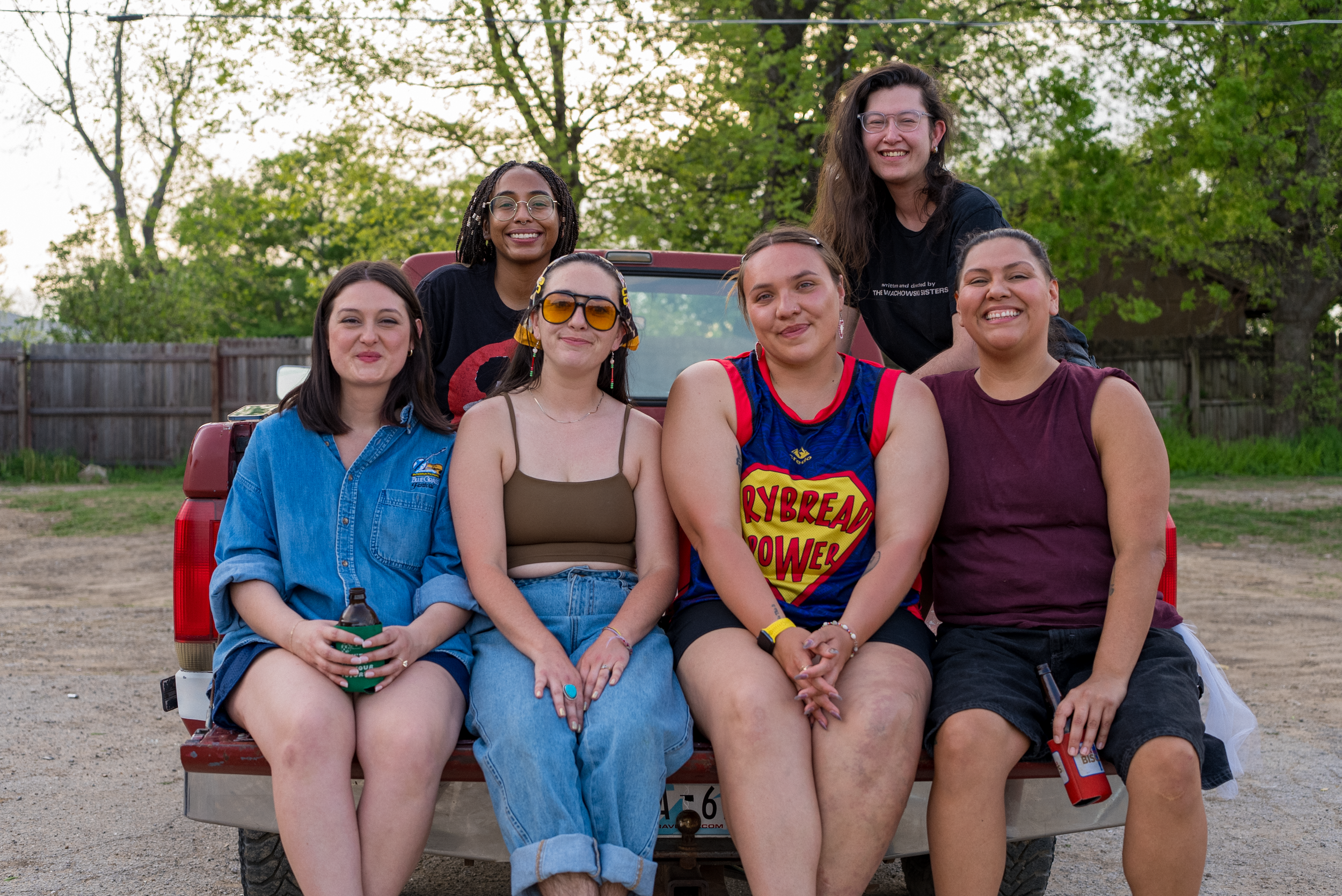
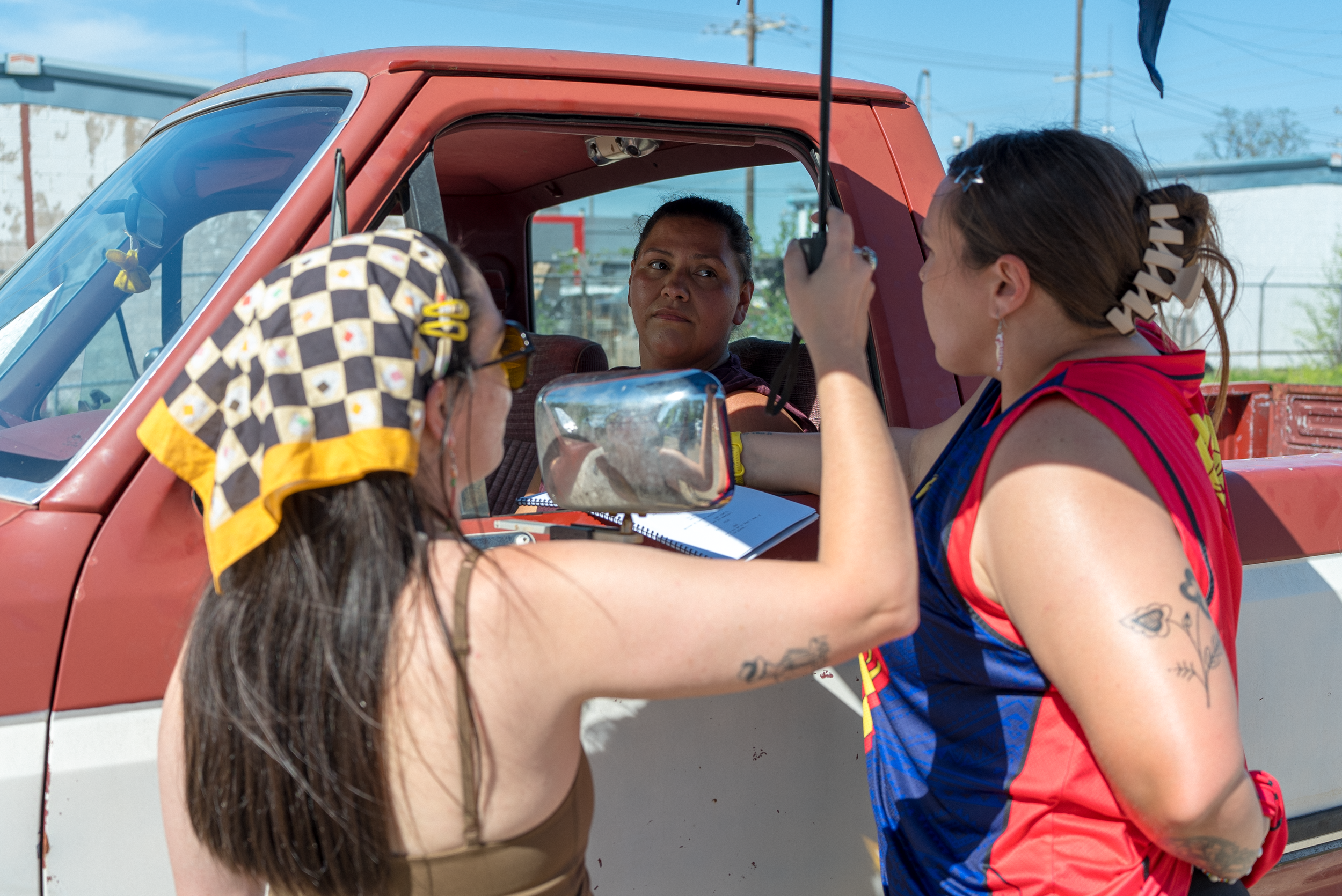
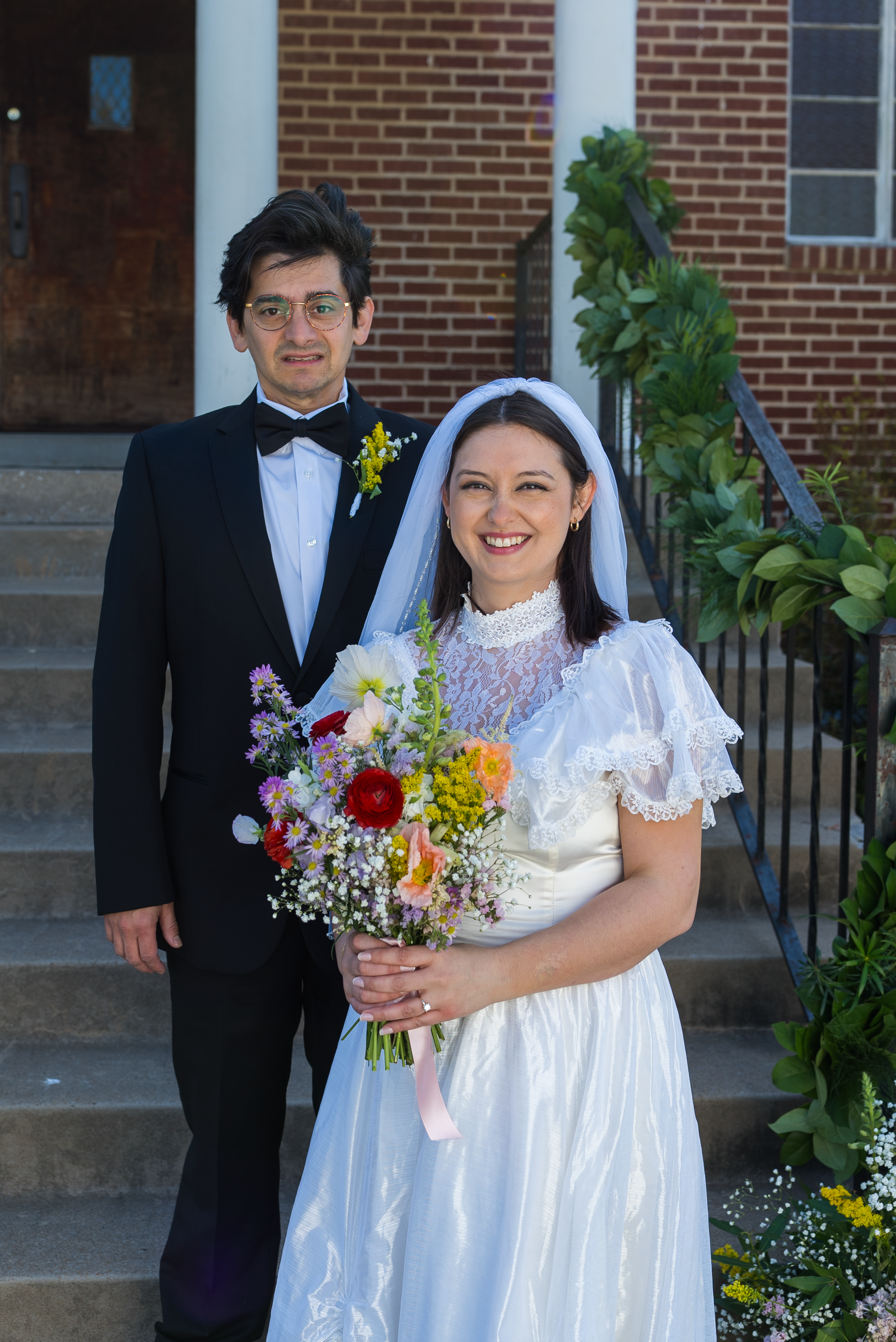
Producer & BTS Photographer
ACTING
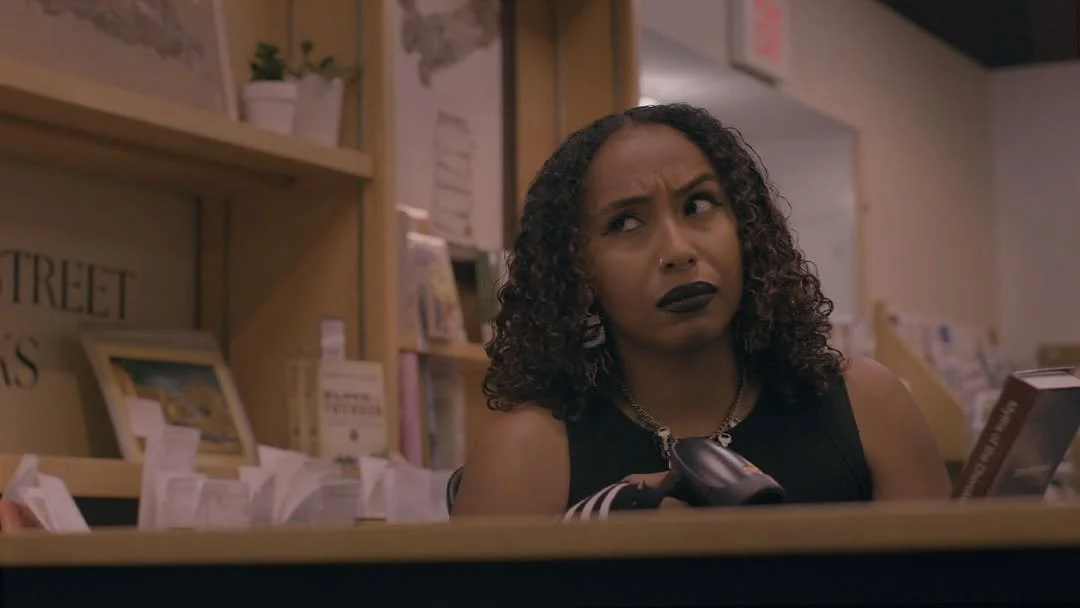
CONDOMANIA - LEAD
The 6-minute film follows a young, quirky store clerk whose highly uneventful day takes a drastic turn when she is unexpectedly tasked with assisting a teenage boy in purchasing condoms for the very first time.
Directed by Ashley Reese.
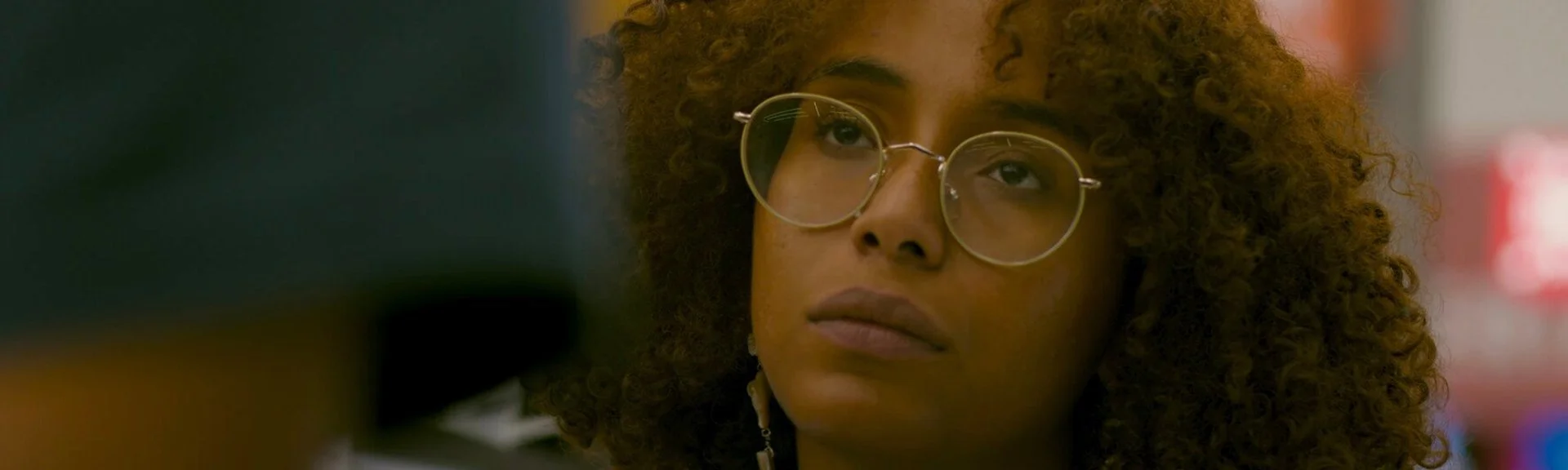
Brief Encounter of the Paranormal Kind - LEAD
A horror comedy made in the NYU ‘Empowering Indigenous Voices: An Intensive Film Directing Workshop’
Directed by Morgan Thompson.
Sovereign Innovations
WRITER FOR EPISODES 5 & 6
Welcome to Sovereign Innovations, where we are diving deep into the groundbreaking shifts in cinema. In this episode, host Cheyenne Bearfoot takes us on a journey celebrating the power, stories, and brilliance of Indigenous women in film. From challenging stereotypes to reclaiming narratives, Indigenous women are reshaping the landscape of cinema.
⭒ FILM CURATION ⭒
I curated this film series with the intention of showcasing the Black Classics and a 101 class to Black Cinema Studies. In the second selection of films include films directed by Black Women with films featuring:
Illusions (short film) dir. Julie Dash + Passing - dir. Rebecca Hall
On Becoming a Guinea Fowl / dir. Rungano Nyoni
Zola / dir. Janicza Bravo
The Woman King / dir. Gina Prince-Bythewood
Earth Mama /dir. Savanah Leaf
All Dirt Roads Taste of Salt / dir. Raven Jackson
BLACK CINEMA SERIES
2025-2026
Imagining Indigenous Cinema
Summer 2023
In the post-Standing Rock era of increased Native visibility, Indigenous artists influenced by personal backgrounds and intergenerational experiences are creating an explosive awakening. Bursting with thought-provoking and genre-defying explorations, Imagining Indigenous Cinema: New Voices, New Visions spotlights a generation of innovative, Indigenous filmmakers working with the moving image today.
In recent years, a shift in on-screen narratives has moved beyond the need to prove Indigenous survival and existence to films that challenge prior rhetoric. This new era of filmmakers shifts the needle from a reactionary storytelling practice towards proactive methods of world-building. Themes of post-colonial resilience, re-matriation of cultures and traditions, explorations of land-based relationships, criticism of the institutional and socio-political settler state and celebrations of Indigenous queer joy are exhibited in vibrant embodiments of time-based art. By crafting narratives that center their own stories and culture, these filmmakers establish new forms of Indigenous cinematic expression and envision Indigenous futures. Their work offers inspiring new possibilities that resist dominant representations and actively Indigenize the medium.
Imagining Indigenous Cinema features over 40 films showcasing short and feature-length film and video work made by Indigenous artists creating on and with the land base currently known as the United States and the Indigenous Nations within.
Partnered with: UCLA Film & Television Archive
Screened at: National Gallery of Art, Crocker Art Museum and Hammer Museum
⭒ AUDIO production ⭒
associate producer
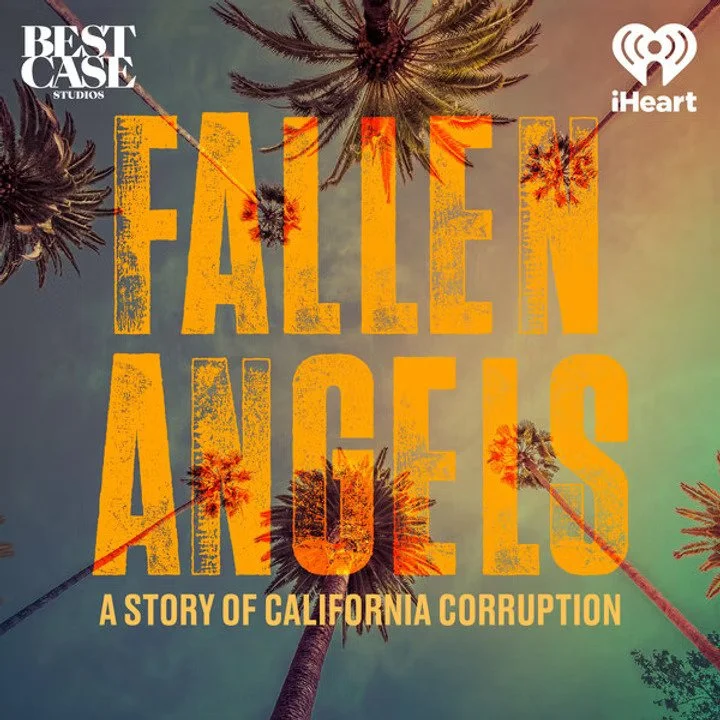
A mysterious drug overdose at a posh Pasadena hotel leads our host and LA Times investigative reporter, Paul Pringle, into Los Angeles’ darkest corridors of power and wealth. Pringle discovers that the dean of the University of Southern California's medical school is leading a secret double life. As Pringle and his team at the LA Times untangle a sordid web of lies, drugs, and greed, they encounter obstacles and resistance at every turn—from USC, law enforcement and even within their own organization. Fallen Angels explores how money and privilege can corrupt our most important institutions and destroy people's lives.
Production Coordinator
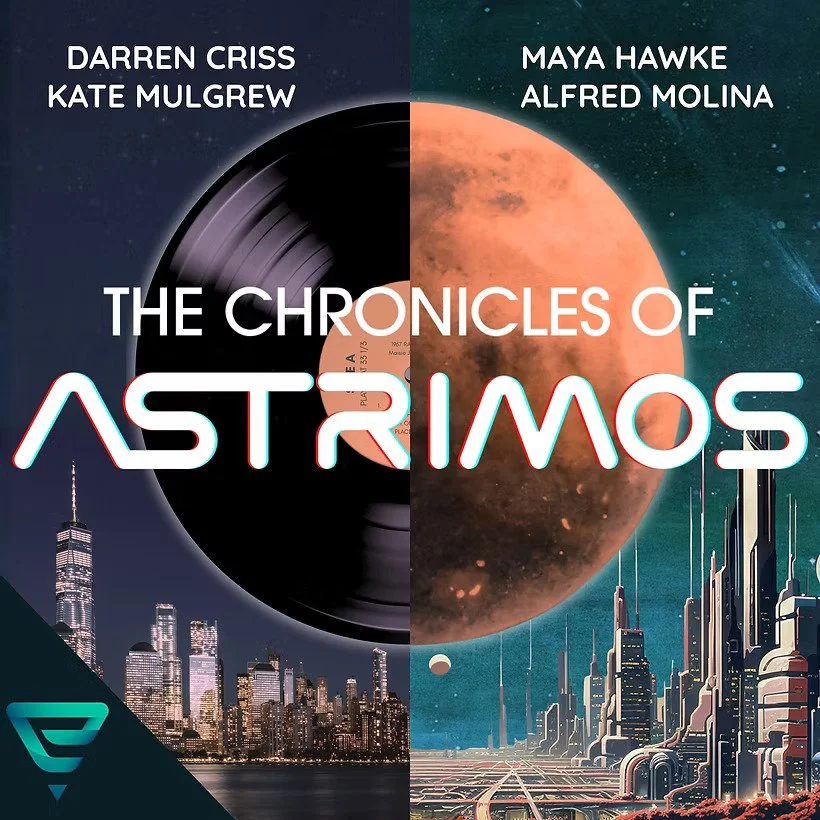
Martin (Darren Criss) thought his life was on track - he was about to become a partner at his law-firm and propose to the woman of his dreams - when his grandmother Maisie (Kate Mulgrew) dies, leaving him an old LP record that derails everything. Playing it transports Martin into the fantastical, but shockingly real world of “The Chronicles of Astrimos,” a 1960’s sci-fi radio drama about the plucky young spaceship pilot Calico Jones (Maya Hawke) who is fighting to save her planet. Flipping involuntarily between Astrimos and the real-world, Martin realizes with horror that the life-and-death stakes in the story are real and his only hope of escape is to solve the mystery of his grandmother’s bizarre gift before it’s too late.
Production Coordinator
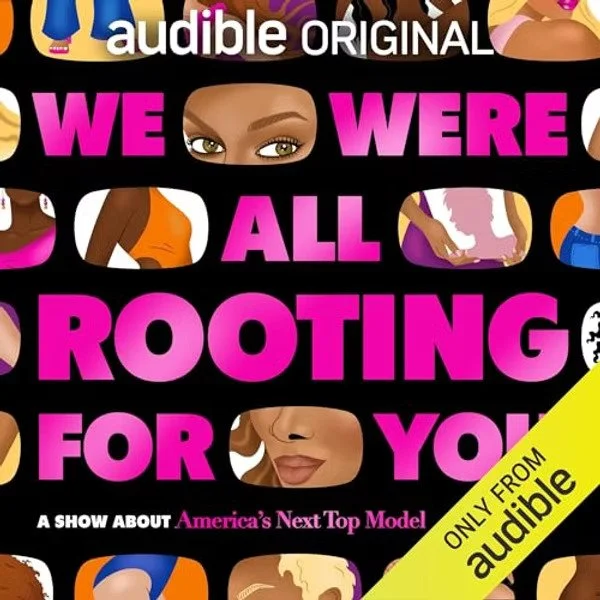
The resurgence of viral clips from the long-running hit reality television show America’s Next Top Model left fans and foes alike wondering–how did a show so outrageous and at times offensive ever get on the air? For years, Americans dutifully watched as contestants faced uncomfortable situations regarding their race and gender, body-shaming, stereotyping, and problematic photoshoots. The show, which first premiered in 2003 and ran for 24 cycles, was helmed by supermodel Tyra Banks–the first Black female host of a smash network reality show. It was wildly popular, and groundbreaking too, bringing plus-sized models, transgender models, and many Black, Asian, and other diverse contestants onto the show at a time when they would never have otherwise have made it on TV. So was Top Model ahead of its time? A cringe-inducing byproduct of a less-enlightened era? Somehow both at once? Host Franchesca Ramsey–a fan since the show first premiered–takes us behind-the-scenes of this wild reality circus, to examine how it was made, what it stood for, and what it illustrates about how representation and beauty standards have changed since 2003, including conversations with contestants, judges, producers, experts and more.